Generators & Specialty Wiring
Generator Installation in Celina & Collin County, TX
Standby and portable generator wiring, transfer switches, and panel tie-ins for reliable backup power through Texas storms and grid outages.
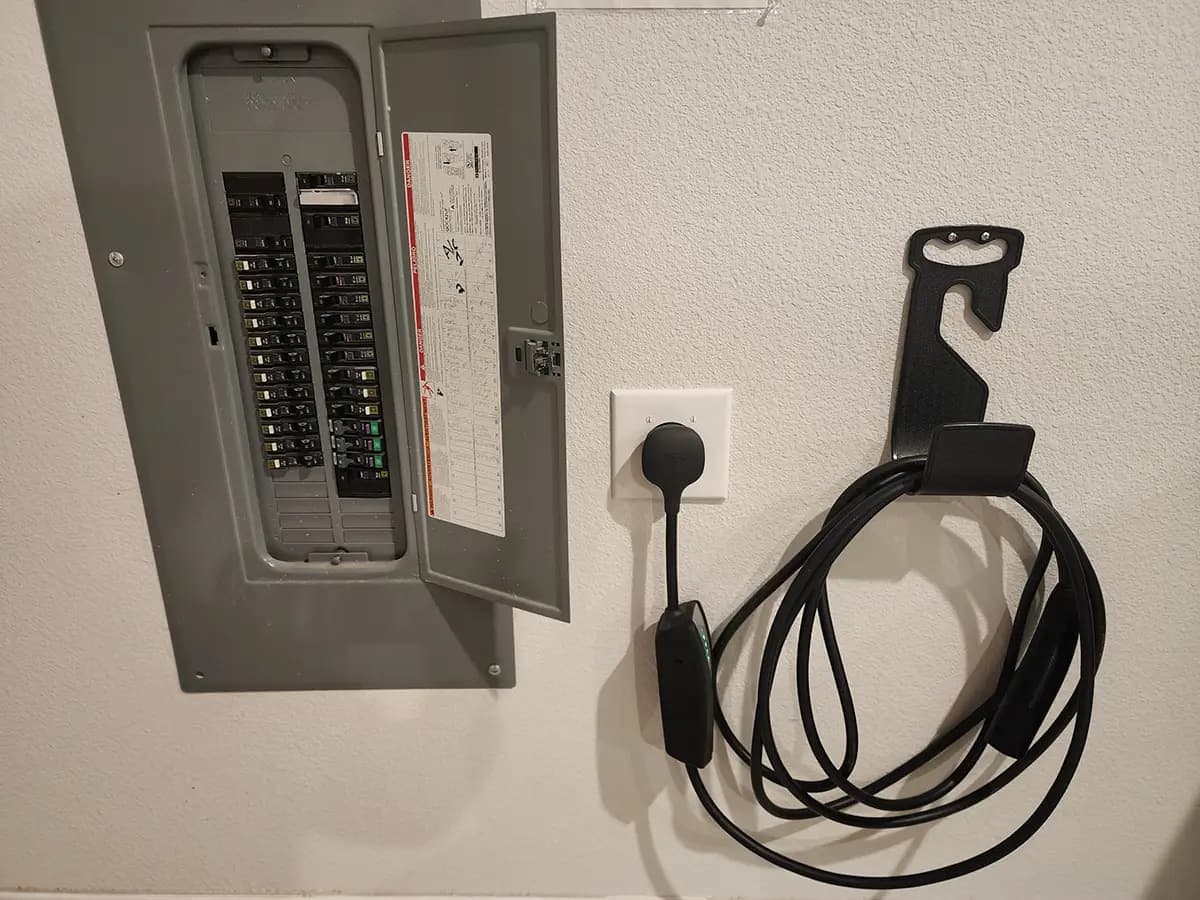
North Texas summers bring rolling grid strain, and winter can bring ice storms that knock the power out for days. If you've been through even one outage with a house full of food going bad, no AC, and a sump pump that won't run, you already know why a generator is worth having. We handle the electrical side of generator installation for Celina, Prosper, Frisco, McKinney, and the rest of Collin and Denton County — sizing the system to your home's actual load, wiring in an automatic or manual transfer switch, and tying everything into your panel safely and to code.
What's included
- Home load assessment and generator sizing (standby or portable)
- Automatic or manual transfer switch installation
- Wiring between generator, transfer switch, and electrical panel
- Panel capacity review and upgrade recommendation if needed
- Coordination with your gas/propane contractor for fuel hookup
- Electrical permit pull and inspection scheduling
- Walkthrough of how your transfer switch and generator operate
Standby vs. portable generators — what's the real difference
A standby (whole-home) generator sits outside on a pad, runs on natural gas or propane, and starts itself within seconds of an outage — no cords, no fuel runs, no lifting anything at 2 a.m. It's wired into your electrical system through an automatic transfer switch, so it can power your whole home or a set of priority circuits without you doing a thing.
A portable generator is the lower-cost option: you roll it out, fuel it, and start it manually. Wired correctly through a manual transfer switch or interlock kit, it can safely run your refrigerator, well pump, furnace blower, and a few outlets — but it can't be plugged into a random extension cord setup or backfed into your panel without one. That backfeeding shortcut is one of the most dangerous things a homeowner can do electrically; it can send power out onto lines utility crews think are dead. See electrical safety inspections if you're not sure your current setup is safe.
Most of what we install for full-time North Texas homeowners is a standby unit sized to the house. For weekend properties, rentals, or budget-first buyers, a properly wired portable setup is a legitimate option — we'll walk you through both honestly rather than upselling you into more generator than you need. Not sure which fits your home? Request a free quote and we'll talk it through.
Why Texas grid conditions make backup power worth it here
ERCOT has issued conservation appeals and come close to rolling blackouts in multiple recent summers when demand spiked during extreme heat, and the February 2021 winter storm left millions of Texans without power for days in freezing temperatures. Collin and Denton County aren't immune to either scenario — thunderstorms and ice can take down lines locally even when the grid overall is fine. The U.S. Department of Energy and the National Fire Protection Association both publish guidance on backup power and generator safety, and the themes are consistent: size the system correctly, install it outdoors with proper clearances, and never run a generator without a transfer switch that isolates it from utility lines.
A correctly installed generator keeps your refrigerator and freezer from spoiling, keeps a well pump or sump pump running so your home doesn't flood, keeps medical equipment powered, and takes the stress out of the next outage instead of scrambling for ice and a hotel room. Many homeowners pair a generator with whole-home surge protection, since a rough grid restoration after an outage can send a damaging spike through the same appliances the generator is protecting. If you're outside Celina proper, check our service area coverage across Collin and Denton County.
Sizing: how big a generator do you actually need
Generator sizing comes down to your home's electrical load, not a generic "whole house" number. We look at square footage, your electrical panel capacity, HVAC size, well pump or septic pump draw, and which circuits you actually want to keep running — everything, or just the essentials (fridge, HVAC, a handful of outlets, garage door). An undersized generator that trips constantly is as frustrating as no generator at all, and an oversized one costs more than it needs to. If your existing panel is older or already near capacity, a panel upgrade is sometimes part of the project so the transfer switch and generator have a clean, code-compliant point to tie into.
Automatic transfer switches — the part that keeps everyone safe
The transfer switch is the piece of equipment that makes generator power safe. It physically isolates your home's wiring from the utility grid the instant the generator kicks on, so there's no chance of backfeeding power onto lines a utility worker might be repairing. An automatic transfer switch (ATS) monitors utility power continuously and starts the generator and switches over on its own, usually within 10-30 seconds. A manual transfer switch does the same isolation job but requires you to flip it by hand.
We size and install the transfer switch to match your generator and panel, run the wiring between the generator, switch, and panel, and coordinate the required inspection. This isn't a DIY job — improper transfer switch wiring is a leading cause of generator-related electrical fires and utility worker injuries, which is why it's regulated. If your electrical panel is older or already tight on capacity, we'll flag that during the site visit so the transfer switch has a clean point to tie into, and we can talk through timing on a free quote call.
What we handle vs. what's done by others
We handle 100% of the electrical scope: sizing, panel and transfer switch wiring, generator hookup, load calculations, and pulling and coordinating the permit and inspection with your local jurisdiction. Gas line or propane tank installation and connection is plumbing/gas trade work, done by a licensed gas contractor — we coordinate scheduling with them so the generator goes in on one clean timeline instead of you juggling two contractors. If you're building new or doing a larger remodel where a generator is part of the plan from the start, see new construction & remodel wiring. Contact us early in the planning process and we'll help sequence the trades correctly.
Permits and inspection
Generator installations in Texas require an electrical permit and inspection in virtually every jurisdiction we serve, and most require a gas permit as well if you're running natural gas or propane. The Texas Department of Licensing and Regulation sets the licensing framework electricians work under, and local building departments enforce their own permit and inspection process on top of that. We pull the permits, schedule the inspection, and make sure the finished install passes — skipping this step can mean an uninsurable installation or problems when you sell the house. If you want a plain-English rundown of when permits are required for electrical work generally, our panel upgrade permit guide covers the same logic that applies here. Related work like an electrical safety inspection is worth considering at the same visit if your panel hasn't been checked in a while.
What it costs
Generator installation cost depends mainly on the type and size of unit, not a flat rate. The biggest cost factors are: standby vs. portable (standby units and their concrete pad, plus an automatic transfer switch, cost more than a portable setup with a manual switch or interlock); generator size (measured in kW, sized to how much of the home you want to power); fuel type (natural gas hookup is usually simpler than a new propane tank, and gas/propane line work is priced separately by the gas contractor); panel condition (a panel that needs upgrading before it can accept a transfer switch adds to the project); and permit fees, which vary by city. We give every homeowner a firm, itemized quote after a load assessment — request a free quote and we'll walk the property with you first.
Generators — FAQ
Can I just plug a portable generator into an outlet during an outage?
No. Plugging a generator directly into a wall outlet or backfeeding it into your panel without a transfer switch is dangerous and illegal in most jurisdictions. It can send power out onto utility lines that repair crews believe are dead, and it can damage your home's wiring and the generator itself. A transfer switch is required to isolate your home from the grid before generator power flows.
How long does a standby generator installation take?
The electrical portion typically takes one to two days once the generator, pad, and any gas line work are in place. Total project timeline usually runs longer because it includes ordering the unit, gas contractor scheduling, and permit/inspection turnaround, which varies by city.
Do I need a permit for a generator installation in Collin or Denton County?
Yes, virtually every city we serve requires an electrical permit for a generator and transfer switch installation, and most also require a separate gas permit if you're running natural gas or propane. We pull the required permits and schedule the inspection as part of the project.
Will a generator power my whole house or just some things?
It depends on the size of generator you choose. A properly sized standby unit can run an entire home, including HVAC. A smaller standby unit or a portable generator is typically wired to run a defined set of priority circuits, like the refrigerator, well pump, and a portion of your lighting and outlets, rather than everything at once.
Do you install the gas line for a natural gas generator?
No, gas and propane line work is done by a licensed gas contractor. We handle all of the electrical scope, including the generator's electrical connection and transfer switch, and we coordinate scheduling with your gas contractor so the whole installation happens on one timeline.
Explore related services
Helpful guides
Ready for a straightforward, honest quote?
Licensed & insured, owner-operated, and 5.0★ across 186 reviews. No pressure — just a clear, free quote for your home.