Electrical Panels & Wiring
Electrical Panel Upgrades in Celina & Collin County, TX
Upgrading an old, undersized, or overloaded panel to a modern 200-amp service so your home can safely handle EV chargers, HVAC, and everyday life.
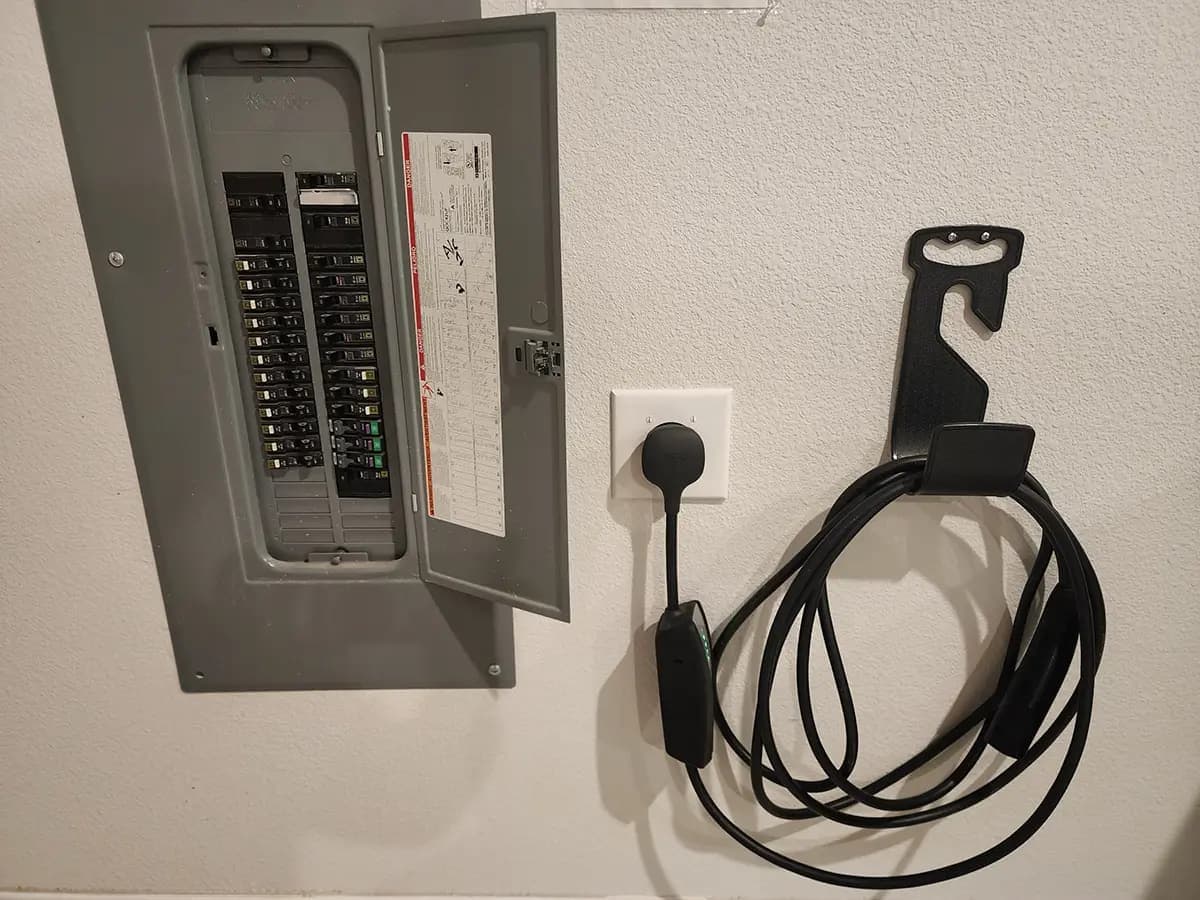
Most electrical problems in North Texas homes trace back to one box in the garage or hallway: the electrical panel. If your panel is more than 20-25 years old, rated at 100 amps, or already crowded with double-tapped breakers, it's working harder than it was ever designed to. Add central AC, an EV charger, a hot tub, or a kitchen remodel, and an undersized panel becomes a genuine safety issue instead of just an inconvenience.
Tamenator Electrical Services has upgraded panels across Celina, Prosper, Frisco, McKinney, Plano, and the rest of the Dallas-Fort Worth area for homeowners who want a service that's sized for how they actually live today - not how a builder guessed a house would be used decades ago. Owner Tamen Privratsky has 13+ years in the trade, and every upgrade is pulled with the required permit and signed off by local inspection, not shortcut around it.
We'll walk your panel with you, explain in plain English what we're seeing, and give you options - not a scare tactic. If a repair genuinely solves the problem, we'll say so. If you need a full upgrade, we'll size it correctly the first time.
What's included
- On-site panel and service entrance evaluation
- Load calculation to size the new panel correctly for your home
- Permit pulled with your local municipality
- Removal and disposal of the old panel
- Installation of a new 200-amp (or as-needed) panel, breakers, and grounding
- Coordination with the utility company for any required service disconnect
- Final walkthrough and scheduling of the local inspection
- Straightforward explanation of what was found and why the upgrade was sized the way it was
Signs Your Panel Needs an Upgrade
A panel doesn't usually fail all at once - it tells you first. Common warning signs we see on service calls across Collin County:
- Breakers that trip repeatedly, especially when running the microwave, AC, and a hair dryer at the same time
- A panel still rated at 60 or 100 amps in a home with central air, an electric range, or a growing number of devices
- Warm, discolored, or buzzing breakers and panel covers
- Flickering or dimming lights when large appliances kick on
- A panel brand with a known history of failure (Federal Pacific, Zinsco, some Sylvania) - our guide to electrical panel brands to avoid covers how to identify yours, and our breaker & panel repair page has more on hazard brands
- Rust, corrosion, or evidence of past water intrusion inside the panel
- Wanting to add an EV charger, a hot tub, or a home addition and being told the existing service can't support it
If any of that sounds familiar, it's worth having a licensed electrician actually open the panel and look, rather than guessing from the outside. One thing worth knowing before you assume the worst: if the service itself has capacity and the panel is simply out of positions, a sub-panel is often the cheaper, less disruptive fix. A load calculation tells us which situation you're in.
100-Amp vs. 200-Amp Service: What's Actually Different
A lot of homes built across North Texas before the 1990s were wired for 100-amp service, which was adequate for the appliance load of that era. Today, 200-amp service is the standard for a modern home, and for good reason - it gives you headroom for central AC, an electric range, a workshop, and an EV charger without constantly juggling what's running at once.
| 100-Amp Panel | 200-Amp Panel | |
|---|---|---|
| Typical era | Homes built pre-1990s | Standard for new construction today |
| Handles central AC + range + dryer together | Often maxed out | Comfortable headroom |
| EV charger ready | Usually needs a load calculation first | Typically supports Level 2 charging |
| Future additions (hot tub, shop, addition) | Limited | Room to grow |
According to the U.S. Department of Energy, electrical demand in the average home has climbed steadily as households add more electronics, HVAC capacity, and now EV charging - which is exactly why so many DFW homeowners are upgrading proactively rather than waiting for a failure.
If you're still working out which size your home actually needs, our guide to 200-amp vs 100-amp panels covers how to read your current service size, how the load calculation works, and when 100 amps is genuinely still enough. For the larger properties where the calculation comes out above 200 amps - multiple HVAC systems, a shop with motor loads, or several big loads arriving at once - see our 400-amp service upgrade guide.
The Upgrade Process: Permit, Install, Inspection
Panel work is one of the few electrical jobs in Texas that always requires a permit, and we treat that as a feature, not a hassle - it means a third party confirms the work was done correctly before your walls close back up. Our process:
- On-site evaluation - We inspect your existing panel, wiring, grounding, and service entrance, and talk through what you actually need (EV charger, hot tub, addition, or just peace of mind).
- Permit pulled - We handle the paperwork with the local building department; typical TX electrical panel permits run roughly $50-$300 depending on the municipality.
- Coordination with the utility - Larger upgrades sometimes require a brief service disconnect coordinated with the utility company; we schedule this to minimize downtime.
- Installation - We install the new panel, breakers, grounding, and bonding to current code, sized for your household's real load.
- Inspection - A local inspector reviews and signs off on the work, which is your documentation that the job was done to code - important for insurance and resale.
The Texas Department of Licensing and Regulation oversees electrical licensing in Texas, and permitted, inspected work is part of how that system protects homeowners.
One item surprises homeowners on the quote: since the 2020 code cycle, a surge protective device is required when service equipment is replaced, so it is part of the job rather than an add-on - is whole-home surge protection worth it explains the requirement and what the device does and does not cover.
Typical Panel Upgrade Costs in North Texas
Every home is different, but homeowners researching this project should know the general range before they start calling around. See our full panel upgrade cost guide for a deeper breakdown, or request a free, no-pressure quote for your specific home.
What an Upgraded Panel Enables
A panel upgrade isn't usually the end goal - it's what unlocks everything else. Homeowners typically upgrade so they can add an EV charger or Tesla Wall Connector, install a whole-home surge protector, run a larger AC system, add a hot tub, or finish a garage workshop without tripping breakers constantly. If you're in Prosper, Frisco, or anywhere in our Collin County service area, and you're not sure whether your current panel can support what you're planning, that's exactly the kind of question we're happy to answer on-site before you commit to anything.
What it costs
Panel replacements and upgrades typically run $1,500-$4,000, with DFW-area upgrades to 200-amp service often landing in the $2,500-$4,500 range depending on panel size, permit fees, and how much rework the existing wiring needs. Add a TX electrical permit (roughly $50-$300) on top. These are general market ranges, not a quote for your home - request a free quote and we'll give you an exact number after seeing your panel.
Panel Upgrades — FAQ
How do I know if I need a panel upgrade or just a repair?
If your panel trips occasionally under heavy load but otherwise runs fine, a repair or added circuit may be enough. If it's undersized for your home's needs, has a hazard-brand breaker, or shows heat damage, an upgrade is usually the safer long-term fix. A licensed electrician can tell you which situation you're in during an on-site visit.
Do I need a permit to upgrade my electrical panel in Texas?
Yes. Panel upgrades and replacements require a permit and a final inspection in Texas municipalities. This protects you as the homeowner by documenting that the work meets code, which matters for insurance claims and home resale.
How long does a panel upgrade take?
Most residential panel upgrades take one day for the installation itself, though scheduling the permit and any required utility coordination can add a few days to the overall timeline. We'll give you a specific schedule once we've seen your panel and pulled the permit.
Will I lose power during the upgrade?
Yes, briefly. Power to the home is off for the portion of the day the panel is physically being swapped, typically a matter of hours, not days. We coordinate the timing with you in advance so it's not a surprise.
Is a 200-amp panel overkill for my house?
Not usually. 200-amp service is the current standard for a reason - it gives you room for central AC, an EV charger, a hot tub, or an addition down the road without another upgrade. We size the recommendation to your actual home and plans rather than defaulting to the biggest option available.
Explore related services
Helpful guides
Ready for a straightforward, honest quote?
Licensed & insured, owner-operated, and 5.0★ across 186 reviews. No pressure — just a clear, free quote for your home.