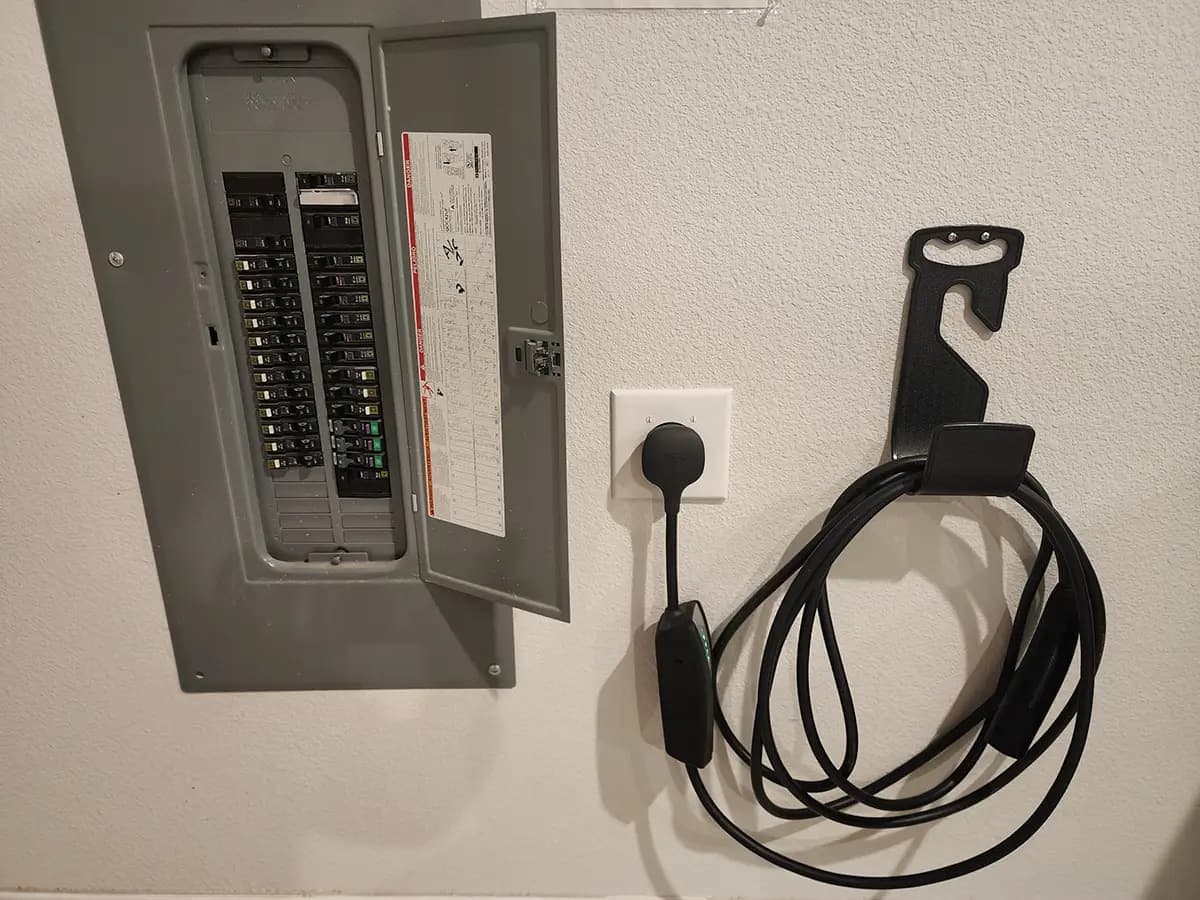
Yes — in Texas, upgrading an electrical panel requires a permit, and it has to be pulled by a licensed electrician. The completed work also needs to pass a local inspection before it's considered finished. If you're planning a panel upgrade in Celina, Prosper, McKinney, or anywhere in Collin or Denton County, this isn't an optional step you can skip to save time or money.
Here's what that actually means for you as a homeowner, who's responsible for what, and why it matters more than it might seem.
Who pulls the permit?
The licensed electrician doing the work pulls the permit — not the homeowner. This is standard for panel upgrades and most other significant electrical work. When you hire a licensed electrician, part of what you're paying for is exactly this: someone who's authorized to pull permits, coordinate inspections, and take responsibility for the work meeting code.
If a contractor tells you that you need to pull the permit yourself, or that skipping the permit will "save you money," that's a red flag. It usually means the work isn't being done by someone properly licensed for it.
What does an electrical permit cost?
Permit fees for panel work in Texas typically run $50 to $300, depending on your city or county and the scope of the project. This is a relatively small piece of the total project cost, and a reputable electrician builds it into your quote rather than surprising you with it later. For context on where that fits into overall project cost, see our panel upgrade cost guide for Collin County.
Why the permit and inspection actually matter
It's tempting to think of a permit as bureaucratic paperwork, but for panel work specifically, it serves a real purpose:
- Safety verification. An inspector confirms the new panel was installed correctly, grounded properly, and sized appropriately for your home's load. Panels are the point where your entire home's electrical system connects to incoming power — mistakes here are a leading cause of electrical fires.
- Insurance protection. If you ever have an electrical fire or damage claim, insurers can ask whether the work was permitted and inspected. Unpermitted work can complicate or void a claim.
- Home sale requirements. Unpermitted electrical work often surfaces during a home inspection when you go to sell. At that point, it may need to be retroactively permitted, or even redone, which typically costs more than doing it right the first time.
- Code compliance over time. Electrical code changes to reflect better safety understanding. An inspection confirms your new panel meets the current standard, not an outdated one.
The National Fire Protection Association tracks electrical fires as a consistent, significant cause of home fires nationally, and outdated or improperly installed panels are a recurring factor. A permit and inspection are the mechanism that catches problems before they become a hazard, not after.
Why DIY panel work is dangerous — and not legal
Panel work isn't like replacing a light fixture or swapping an outlet. The panel is where your home's entire electrical system connects to a live, high-amperage feed from the utility. Getting it wrong isn't a minor mistake — it's a direct fire and electrocution risk, both during the work and for as long as the panel is in service afterward.
Texas requires licensed electricians for this type of work for exactly that reason. Beyond the legal requirement, there's a practical one: a licensed electrician knows how to properly de-energize a panel, size breakers correctly for your home's actual load, ground the system to code, and catch problems (like deteriorated wiring or an undersized service line) that an untrained eye would miss.
If you're noticing warning signs — breakers that trip often, a panel that still runs on fuses, warm spots near the panel, or flickering lights — it's worth having a licensed electrician evaluate it rather than attempting a fix yourself. Sometimes what looks like it needs a full upgrade is actually a more contained breaker panel repair, and only a licensed professional can tell you which one you're dealing with.
TDLR licensing in Texas
Electricians in Texas are licensed and regulated through the Texas Department of Licensing and Regulation (TDLR). This licensing structure exists specifically because electrical work — panel work most of all — carries real safety consequences when it's done incorrectly. When you hire a licensed electrician, you're hiring someone who has met the state's training and competency requirements for exactly this kind of work.
What to expect from a permitted panel upgrade
- Evaluation. Your electrician assesses your current panel, home size, and electrical needs.
- Quote. You get a price based on your specific situation.
- Permit. The electrician pulls the permit from your local jurisdiction.
- Installation. The panel upgrade is performed to current code.
- Inspection. A local inspector verifies the completed work.
- Sign-off. The permit is closed out, and you have a documented, code-compliant upgrade on record.
This process protects you long after the work is done — whether that's an insurance claim five years from now or a home sale a decade down the road.
Planning a panel upgrade in North Texas?
If you're weighing a panel upgrade in Celina, Prosper, Frisco, McKinney, Plano, Aubrey, Little Elm, or The Colony, a permitted, properly inspected upgrade is the only way to do it safely and without future headaches. Learn more about our electrical panel upgrade services, or request a free quote and we'll walk you through what your project involves, permit included.
Sources
Frequently asked questions
Do you need a permit to upgrade an electrical panel in Texas?
Yes. Electrical panel work in Texas requires a permit, and it must be pulled by a licensed electrician. The completed work also has to pass an inspection before it's considered done.
Who pulls the permit, me or the electrician?
The licensed electrician doing the work pulls the permit, not the homeowner. This is standard practice and part of what you're paying for when you hire a licensed professional rather than doing the work yourself.
How much does an electrical permit cost in Texas?
Permit fees for panel work in Texas typically run about 50 to 300 dollars, depending on the city or county and the scope of the job. This is usually built into your electrician's quote rather than billed separately.
Can I upgrade my own electrical panel without a license?
In most cases, no. Panel work involves the main connection point for your home's entire electrical system, and Texas requires this type of work to be performed by a licensed electrician. Unpermitted or unlicensed panel work also creates real safety risks and can cause problems when you sell your home.
What happens if panel work is done without a permit?
Unpermitted electrical work can fail a home inspection, create issues with insurance claims if there's ever a fire, and may need to be redone or retroactively permitted before a home sale can close. It also means the work was never inspected for safety.