Generators & Specialty Wiring
Hot Tub & Spa Wiring in North Texas
Dedicated 240V GFCI-protected circuits, disconnects, and proper bonding for hot tubs and spas — wired to code and coordinated with your spa installer.
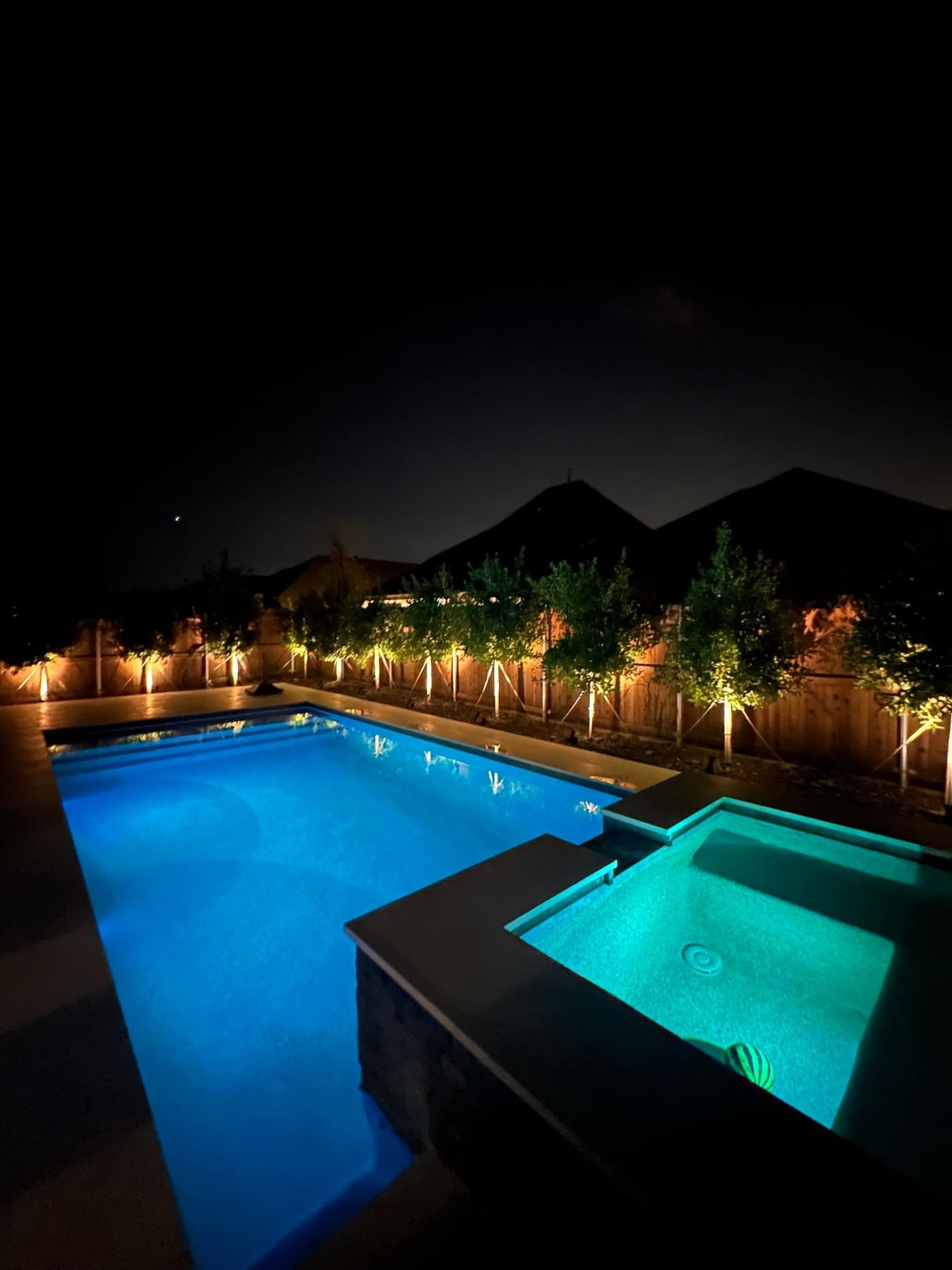
A hot tub or spa is one of the least forgiving pieces of equipment in your backyard when the electrical work is done wrong — you're combining water, high current, and a place people sit for 20-30 minutes at a time. It's also one of the most common DIY-gone-wrong calls we get: a spa run off an extension cord, a shared circuit tripping the breaker every time the heater kicks on, or a unit installed with no disconnect anywhere nearby. We wire hot tubs and spas across Celina, Prosper, Frisco, McKinney, and the rest of Collin and Denton County the way code requires — a dedicated circuit, correct GFCI protection, a properly located disconnect, and full bonding — so the tub is safe to actually use.
What's included
- Dedicated 240V circuit sized to your spa manufacturer's specs
- Properly rated GFCI breaker installation
- Emergency disconnect placed to code (in sight, 5+ feet from water)
- Equipotential bonding of spa equipment and surrounding metal
- Coordination with your hot tub/spa installer on timing and specs
- Electrical permit and inspection
Why a hot tub needs its own dedicated circuit
Most hot tubs and spas draw enough current — especially with the heater and pump running together — that they need a dedicated 240V circuit sized specifically for that unit, not a shared line with your patio outlets or landscape lighting. Running a spa on an undersized or shared circuit causes nuisance breaker trips, and in some cases it's a fire risk from an overloaded conductor. We size the circuit to your spa manufacturer's electrical specs and run dedicated wiring from your panel — if your panel doesn't have the capacity, we'll talk through options, including a panel upgrade, before we quote the job. Request a free quote once you know your spa's electrical specs and we'll confirm what your panel can support.
GFCI protection: non-negotiable around water
Ground-fault circuit interrupter (GFCI) protection is required by code on every hot tub and spa circuit, and for good reason — it shuts power off in a fraction of a second if it detects current leaking somewhere it shouldn't, like through water or a person. This is the same technology required on bathroom and outdoor outlets, but a spa's GFCI protection has to be sized and rated correctly for the higher current draw. The National Fire Protection Association publishes the electrical safety standards (NFPA 70, the National Electrical Code) that spa wiring is built around, and GFCI protection for spas is one of the most emphasized requirements in that code for exactly this reason. If you're also updating other outlets and switches around the patio, it's worth handling both in one visit, and a broader electrical repair check is a good idea if your panel or wiring is older.
Disconnect placement
Code requires an emergency disconnect within sight of the spa, but positioned at least 5 feet away from the water's edge. This isn't a formality — it's so that if something goes wrong, anyone nearby can kill power to the tub immediately without having to walk back into the house to the electrical panel. We place the disconnect where it's genuinely reachable and visible, factoring in your patio layout, fencing, and how the space actually gets used — the same site-specific thinking we bring to landscape and outdoor lighting planning.
Bonding and grounding — the part people don't see
Beyond the circuit and the disconnect, code requires bonding all the metal components around a spa — the equipment pack, any metal piping, ladders, and surrounding structural metal within a set distance — into a single equipotential bonding grid. The goal is that no metal surface near the tub can ever be at a different electrical potential than another, which is what actually prevents shock hazards if a fault occurs. This part of the job is invisible once it's covered by decking or landscaping, which is exactly why it has to be done right the first time. If your backyard project also includes a landscape lighting upgrade around the spa area, we can plan both at once, and a whole-yard electrical safety inspection is a good way to confirm everything outdoors is bonded and GFCI-protected correctly.
Working with your spa installer
Hot tub and spa companies typically handle delivery, setup, plumbing, and startup — they aren't licensed electricians and shouldn't be doing the permanent wiring. Electrical work at this level in Texas has to be done by a licensed electrician under the framework the Texas Department of Licensing and Regulation sets and enforces, which is worth confirming with any installer who offers to "handle the wiring too." We coordinate directly with your spa installer or dealer on timing, confirm the manufacturer's exact electrical specs (voltage, amperage, GFCI breaker size) before we run anything, and schedule the electrical rough-in and final connection around their install date so the tub is ready to fill and run as soon as it's set. This is the same coordination we do on larger new construction and remodel projects where a spa is part of the plan. We also pull the required electrical permit and handle inspection — if you're comparing installers, Angi is a reasonable place to check general reviews, though we'd rather earn the job on our own track record with your neighbors — reach out and we'll walk you through our process.
What it costs
Hot tub and spa wiring cost depends on a few concrete factors: distance from your panel (a longer run of dedicated wire to a backyard spa costs more than one close to the house); panel capacity (if your panel is full or outdated, it may need attention before it can support a new 240V circuit — see panel upgrades); spa size and electrical draw, which sets the required breaker and wire gauge; and site conditions like trenching under a patio, existing landscaping, or running conduit along a fence line. We'll confirm your spa's exact electrical specs and walk the site before quoting — request a free quote once you know your spa model, or even before you buy one if you want electrical input on the decision.
Hot Tub & Spa Wiring — FAQ
Can I run my hot tub off a regular outdoor outlet?
No, standard hot tubs and spas require a dedicated 240V circuit sized to the unit's electrical specs, not a standard outlet. Running a spa on a shared or undersized circuit causes nuisance breaker trips and can be a fire hazard.
How far does the disconnect need to be from the hot tub?
Code requires the emergency disconnect to be within sight of the spa but at least 5 feet from the water's edge. This lets anyone nearby cut power quickly in an emergency without being close enough to the water to be at risk themselves.
Do you coordinate with my hot tub dealer or installer?
Yes, we work directly with your spa dealer or installer to confirm the manufacturer's electrical requirements and schedule the wiring around their delivery and setup date so the tub can be filled and running as soon as it's in place.
Is a permit required for hot tub electrical work?
Yes, in virtually every city we serve, wiring a hot tub or spa requires an electrical permit and inspection. We pull the permit and coordinate the inspection as part of the job.
Helpful guides
Ready for a straightforward, honest quote?
Licensed & insured, owner-operated, and 5.0★ across 186 reviews. No pressure — just a clear, free quote for your home.