Electrical Repairs & Safety
Electrical Safety Inspections in Collin County, TX
A thorough electrical safety inspection with a clear, written report — for home purchases, older homes, or insurance requests.
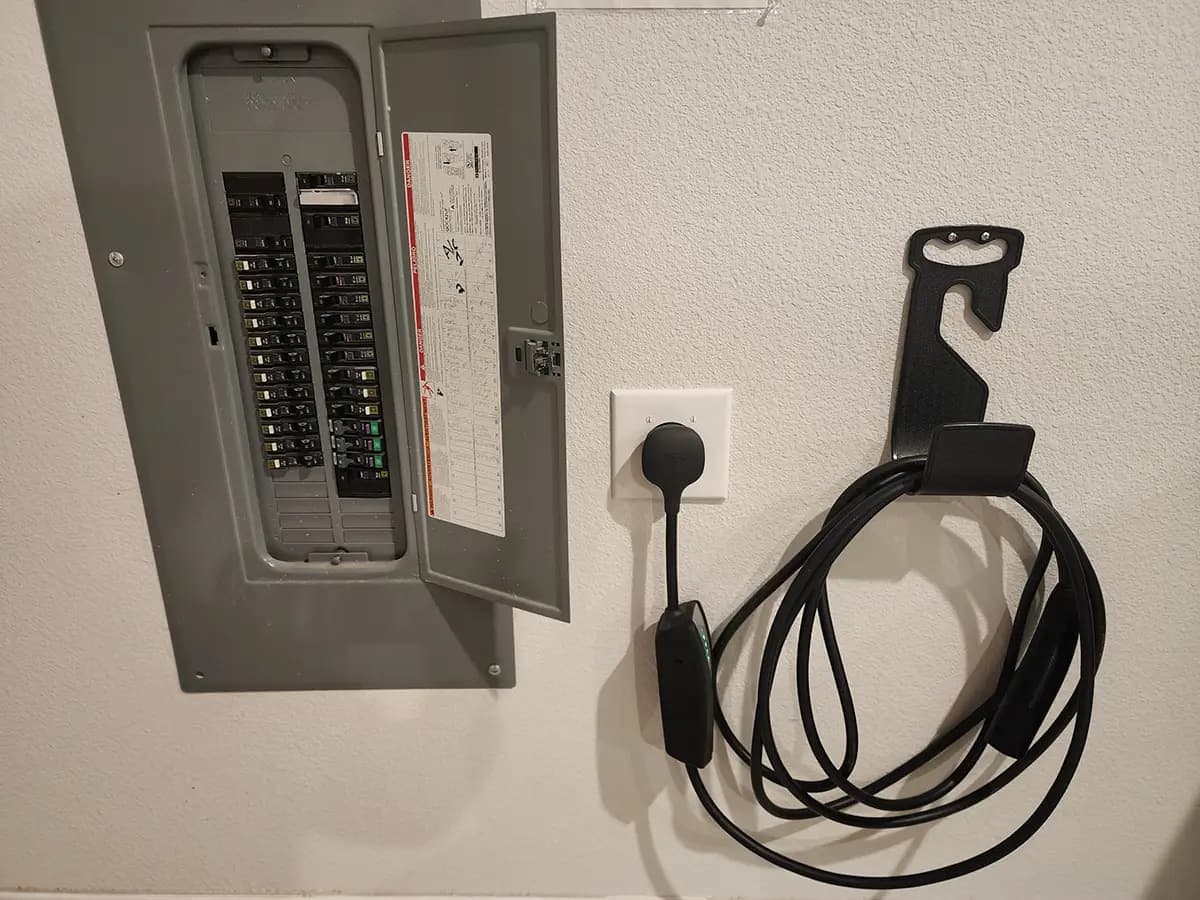
An electrical safety inspection is a straightforward way to find out what's actually going on behind your walls and inside your panel before it becomes a bigger problem — or before you close on a house. We inspect homes across Celina, Prosper, Frisco, and the rest of Collin and Denton County for buyers ahead of closing, owners of older homes who want peace of mind, and homeowners responding to an insurance company's request for documentation.
We check the panel, breakers, visible wiring, outlets, GFCI/AFCI protection, and grounding, and we tell you honestly what we find — what's fine, what's worth watching, and what needs correction soon. You get a clear written report, not a sales pitch dressed up as an inspection.
Inspections typically take an hour or two depending on the home's size and age. We'll give you a free quote up front and a straightforward report when we're done.
What's included
- Full panel inspection (age, condition, breaker type, grounding/bonding)
- Visible wiring type and condition check
- GFCI/AFCI protection verification
- Outlet and switch spot-checks throughout the home
- Written report with clear findings and recommendations
- Honest risk-level explanation, not upsell pressure
- Documentation formatted for insurance or real estate use when needed
Home-buyer and pre-purchase inspections
Buying a home is one of the most common reasons people request an electrical inspection — a general home inspector covers electrical at a surface level, but a licensed electrician can dig deeper into panel condition, wiring type, and code compliance issues that matter for both safety and future insurability. If the inspection turns up something significant, we'll explain the real scope, whether that's a repair (see electrical repairs) or something larger like a panel that's past its useful life (see electrical panel upgrades).
Older homes and outdated wiring
Homes built or last rewired decades ago sometimes still have aluminum branch wiring, knob-and-tube remnants, ungrounded outlets, or a panel with a brand or breaker type known for reliability issues. None of that is automatically an emergency, but it's worth knowing about and understanding the real risk level rather than guessing. If a full inspection reveals wiring that's genuinely outdated throughout the home, our home rewiring page covers what that process looks like.
Insurance-requested inspections
Some insurance carriers request an electrical inspection before writing or renewing a policy, especially for older homes or after a claim. We provide a written report documenting panel condition, wiring type, and any code-compliance gaps that carriers commonly ask about, formatted so you can submit it directly. TDLR licenses electricians in Texas, and using a licensed inspector rather than an unlicensed handyman matters for how seriously carriers take the report.
What we check
A full inspection covers the panel (age, brand, breaker condition, grounding/bonding), visible wiring type and condition, GFCI/AFCI protection where required, outlet and switch condition, and any obviously outdated or unsafe conditions we can access without opening walls. NFPA publishes residential electrical safety standards that inform what a thorough inspection actually checks for, beyond just a visual glance at the panel.
What it costs
Inspection cost depends mainly on the home's size, age, and accessibility (attic, crawlspace, panel location). An inspection is generally priced as a flat visit rather than an hourly rate, though scope can expand if the home has unusual wiring history or multiple panels/sub-panels to check. Request a free quote and we'll give you a clear number based on your home before scheduling.
Safety Inspections — FAQ
How long does an electrical safety inspection take?
Most home inspections take one to two hours depending on the home's size, age, and how accessible the panel, attic, and crawlspace are.
Do I need an electrical inspection before buying a house?
It's not always required, but it's a smart step for older homes or homes with an unclear electrical history, since a general home inspection often only covers electrical at a surface level.
Will my insurance company accept your inspection report?
We provide a written report documenting panel condition, wiring type, and code-compliance findings formatted for submission, though acceptance ultimately depends on your specific carrier's requirements.
What happens if the inspection finds a problem?
We'll explain what we found and the real risk level in plain language, then give you a separate quote for any recommended repair or upgrade. The inspection itself doesn't commit you to further work.
Do you inspect older homes with outdated wiring?
Yes, older homes with aluminum wiring, knob-and-tube remnants, or ungrounded outlets are common inspection requests, and we'll document what we find and what it means for safety and code compliance.
Helpful guides
Ready for a straightforward, honest quote?
Licensed & insured, owner-operated, and 5.0★ across 186 reviews. No pressure — just a clear, free quote for your home.